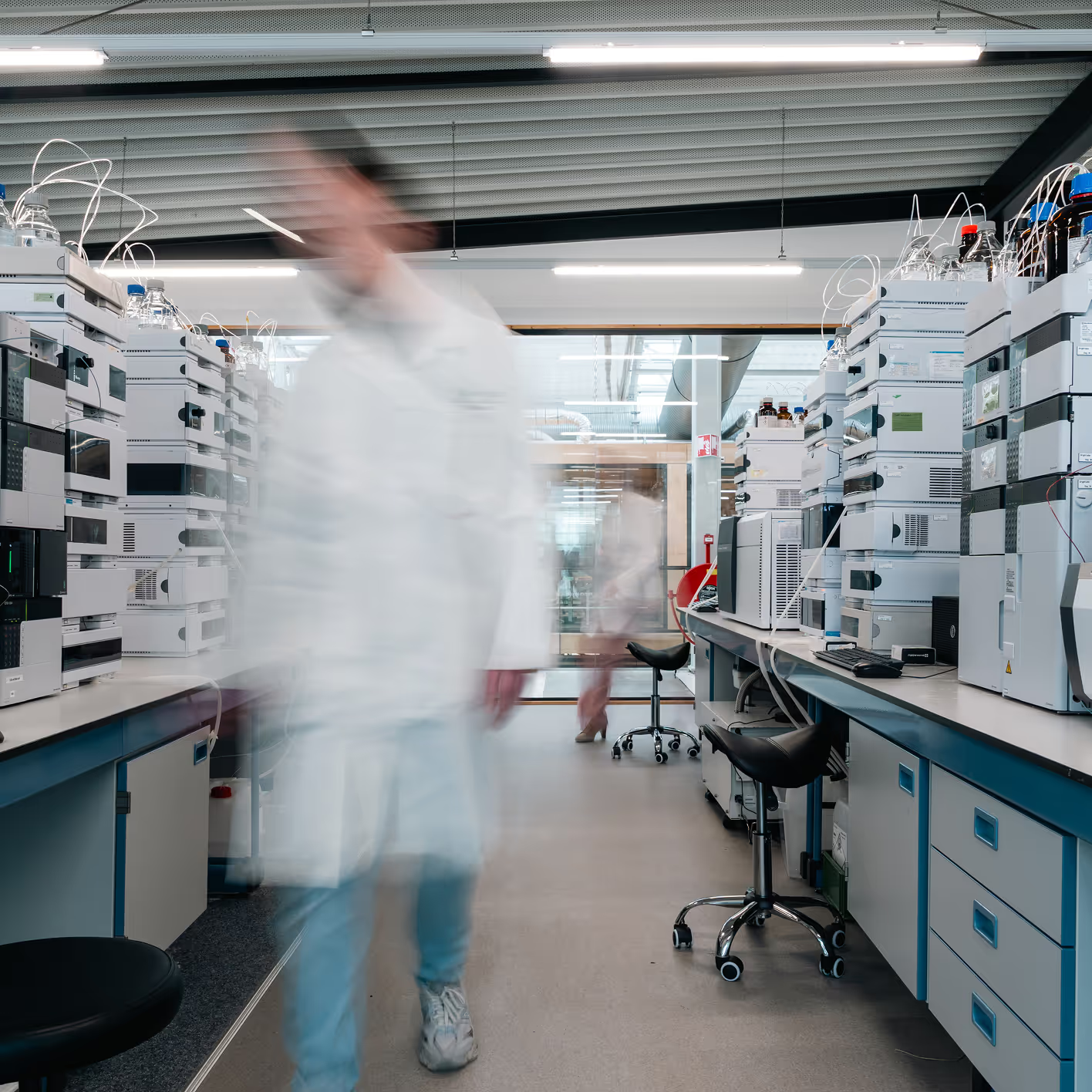
Industrial analytical challenges are rarely routine. Neither is our approach.
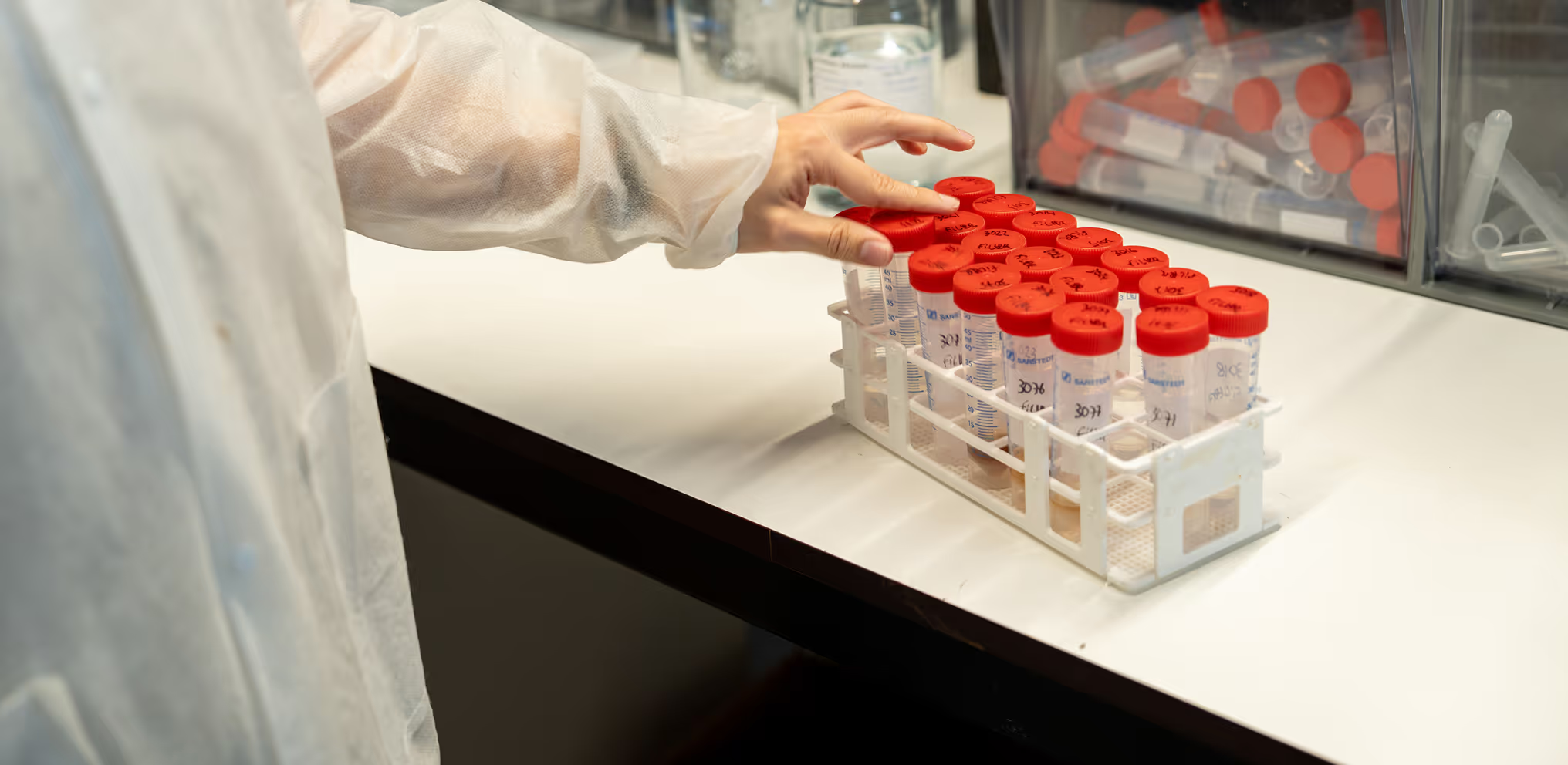
Brightlabs is your partner for industrial chemical analysis.
No two industrial challenges are the same.
Industrial clients come to Brightlabs with questions that don't fit into standard test packages. They need to understand why a process is producing unexpected contaminants, whether a new material meets a specific elemental specification, or how to quantify a substance for which no existing method has yet been designed.
Project-based
Every project starts with the problem, not the method. We build our approach around your specific product, process, and challenge.
Customized
Industrial challenges are by definition product-specific. We develop and validate methods designed for your specific matrix, parameters, and product specifications.
Solution-oriented
We don't just hand over a report and disappear. We think along with you, ask critical questions, and find pragmatic solutions that move your project forward.

How we approach industrial projects.
01
/
Understanding the industrial context
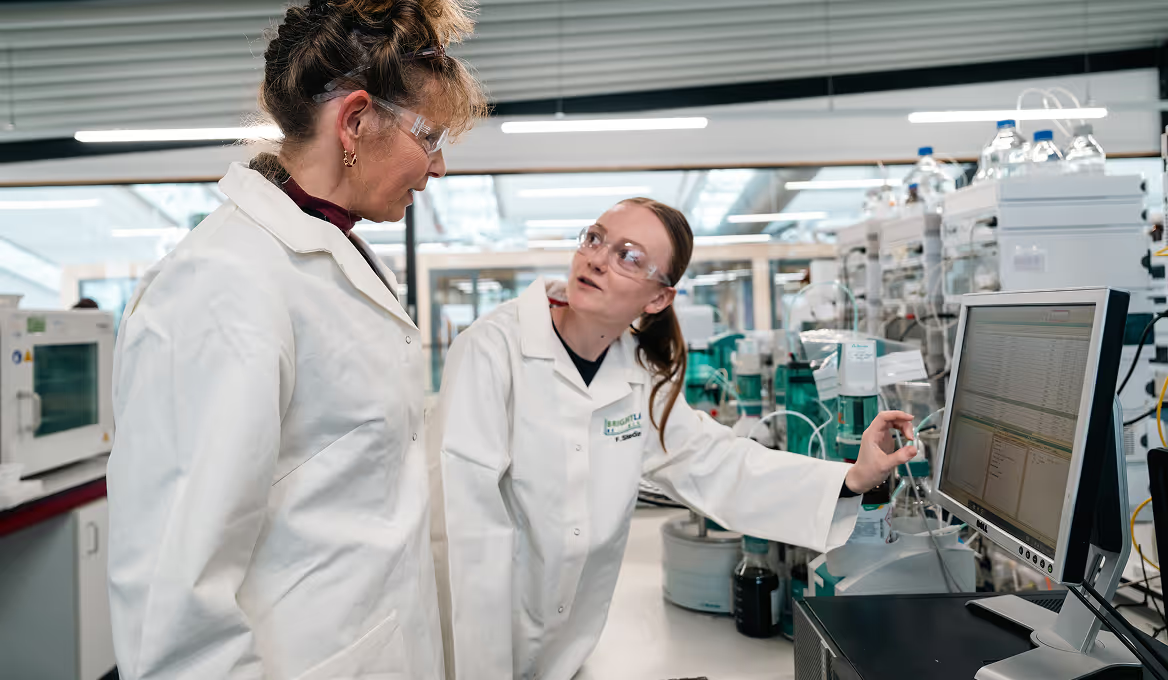
Before we analyze a sample, we invest time in understanding your process, your product, and the specific question you need answered. Industrial analytical challenges are often symptoms of something further up the chain; we keep asking questions until we understand the core of the issue.
02
/
Designing the analytical approach
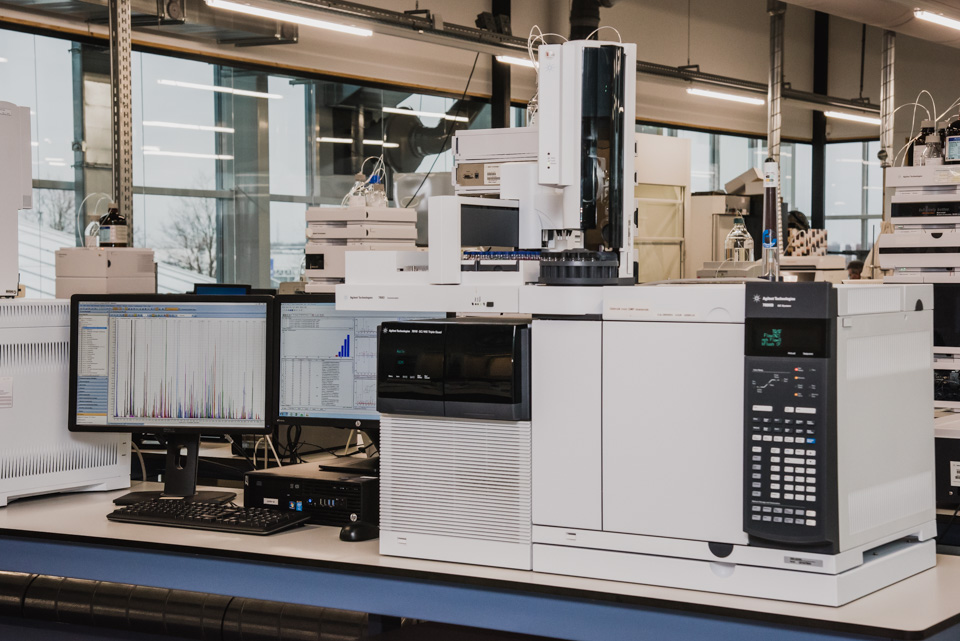
We select or develop the method that best fits your challenge. For many industrial issues, this means deploying our ICP systems for elemental analysis, combining chromatographic techniques, or building a custom method from the ground up when no standard exists.
03
/
Delivering results and supporting decisions
We report results in the context of your specific challenge, not just raw data. We discuss our findings, answer follow-up questions, and remain available as your project evolves. Our goal is to provide you with the analytical foundation needed to make decisions with confidence.

What we bring to industrial analytical challenges.
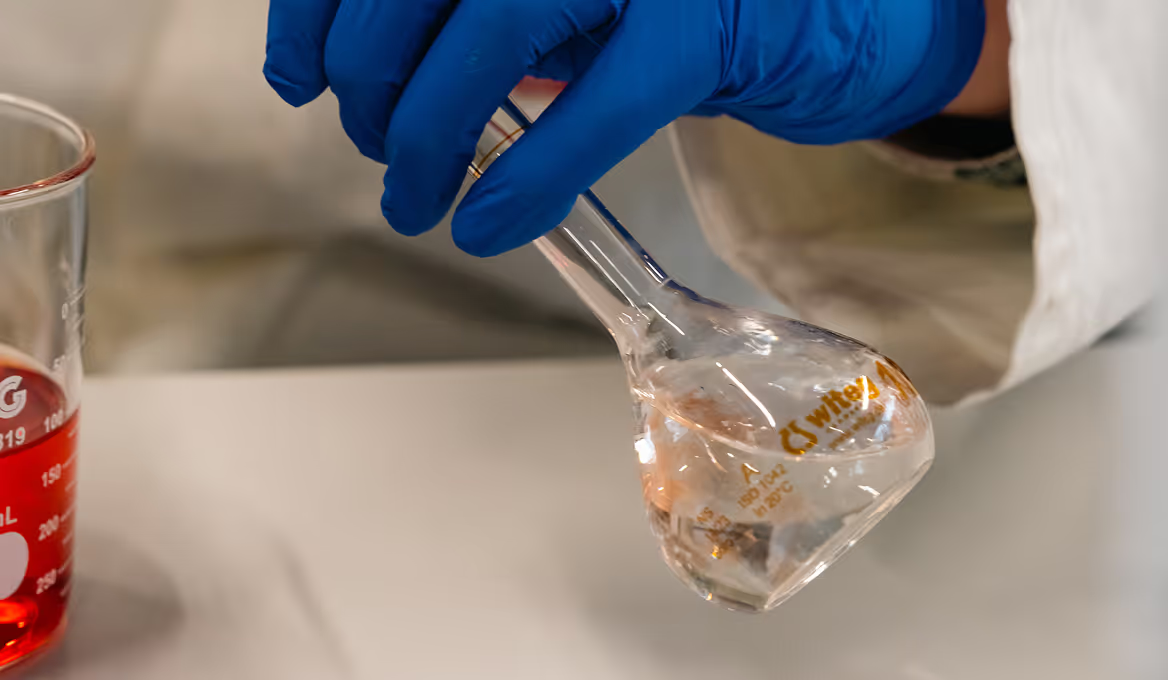
Elemental analysis
Using our ICP-OES and ICP-MS systems, we perform qualitative and quantitative analysis of a wide range of elements in diverse industrial matrices, including metals, polymers, chemicals, process streams, and more.
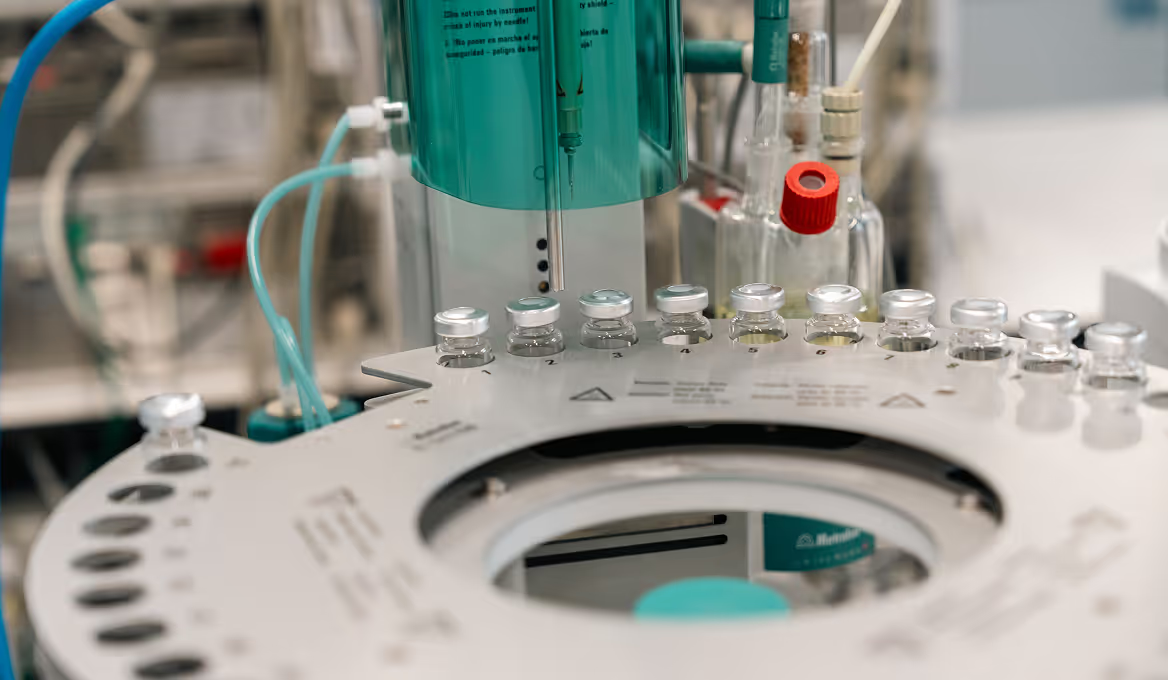
Custom method development
Industrial challenges are often product-specific. We develop and validate analytical methods tailored to your compound, matrix, and specifications when no standard method exists or applies.
Contaminant quantification
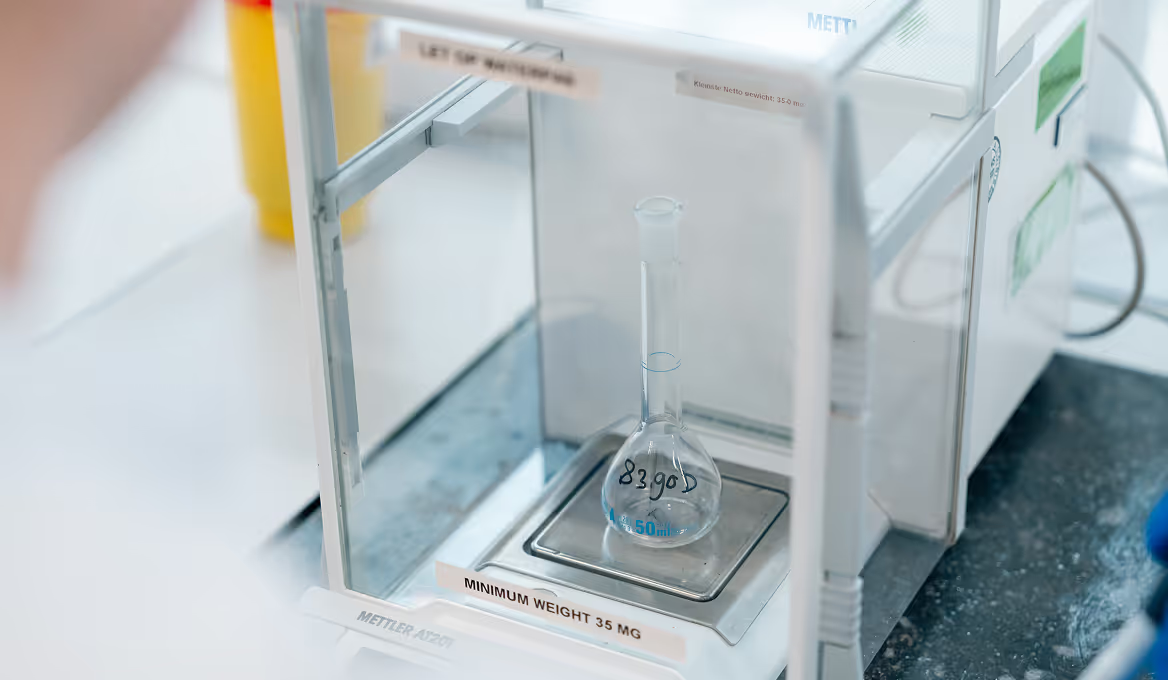
When a process yields unexpected results, we launch an investigation. Using our full range of chromatographic and mass spectrometric techniques, we identify and quantify unknown contaminants and trace impurities.
Material qualification
Qualifying the elemental, molecular, and chemical composition of industrial materials for quality control, specification compliance, reverse engineering support, or regulatory documentation.
The types of issues we solve.
Packaging / Polymers
/
Trace element profiling in polymer compounds for a packaging manufacturer
We work on issues regarding the exact composition of vegetables, fruit, or other food products. This includes characterizing new ingredients, mapping the bioactive profile of raw materials, and developing analytical methods where no standard yet exists. R&D projects often start with a question, not a method.
Specialty chemicals
/
Validated method for process-specific impurities in a specialty chemical compound
Development of a custom LC-MS method from scratch, including matrix optimization, method validation, and documentation for internal QC use.
Environmental / Industrial water
/
Multi-element analysis of industrial process water for compliance monitoring
Over time, Brightlabs has developed a range of routine analyses for common environmental matrices. These are standardized, efficient, and reliable, designed for producers who require consistent data on a defined set of parameters across multiple batches or streams.

Science is only as good as the people behind it.
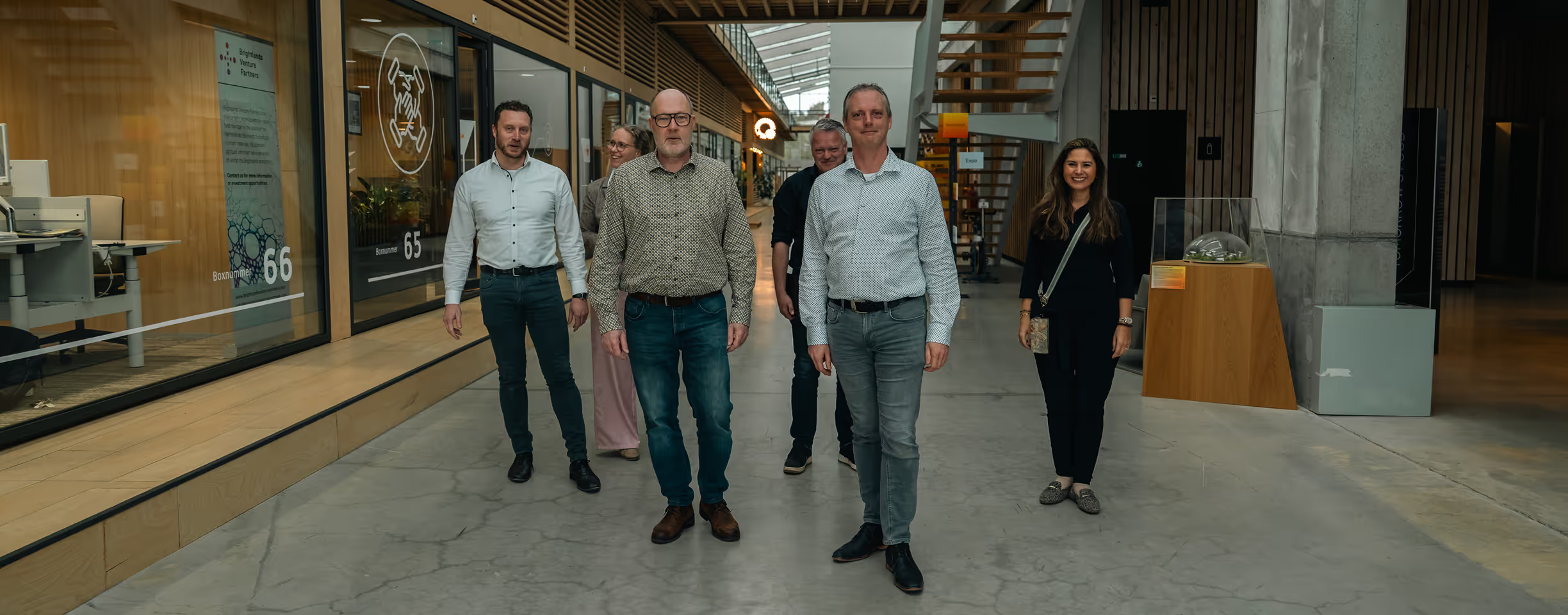
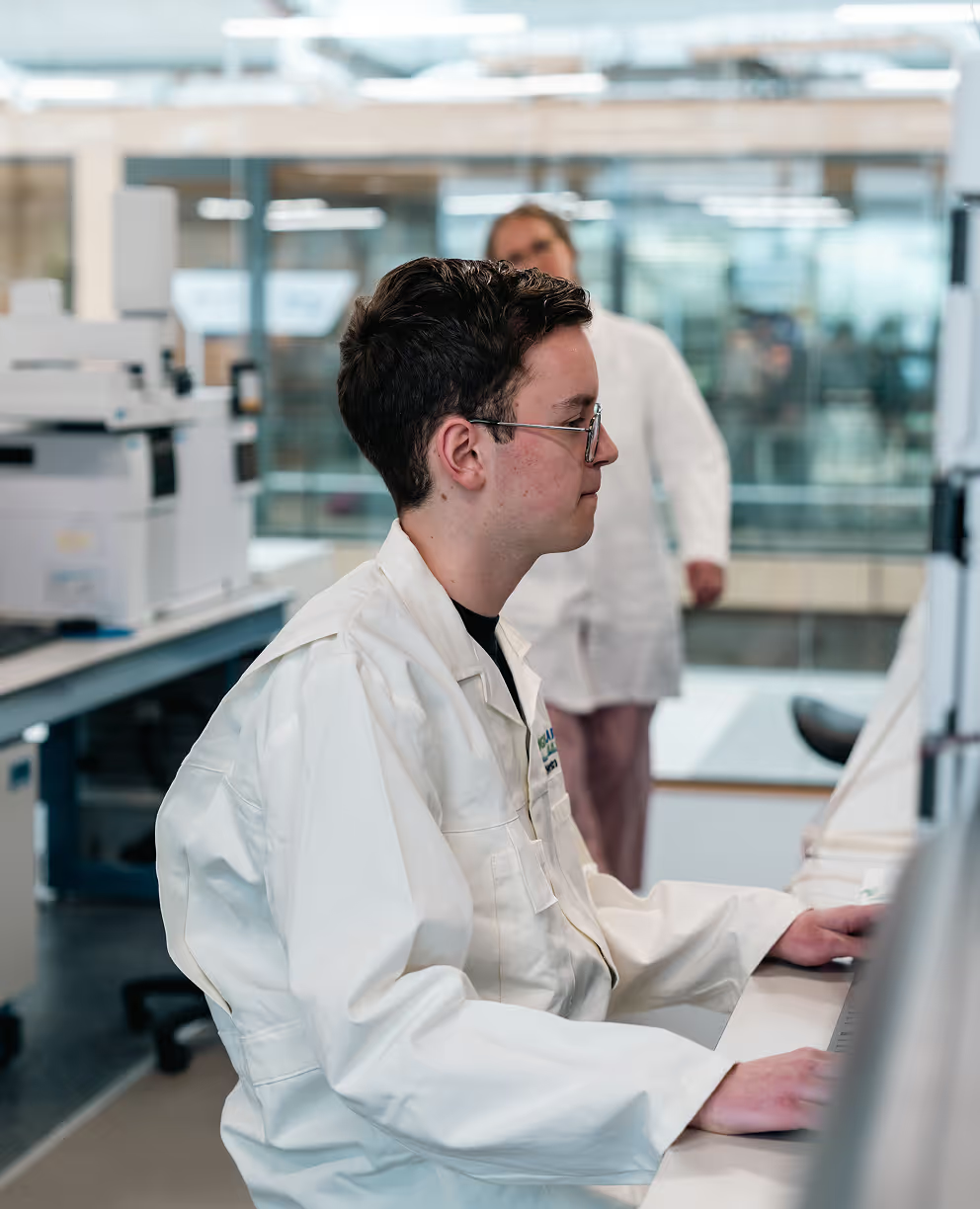
Brightlabs was founded on a simple belief: that analytical chemistry is most valuable when driven by genuine scientific curiosity and a commitment to doing things the right way.
Insights from our laboratory

Do you have an industrial analytical challenge?
Tell us about your product, your process, and the challenge you want to solve. We will let you know how we would approach it.