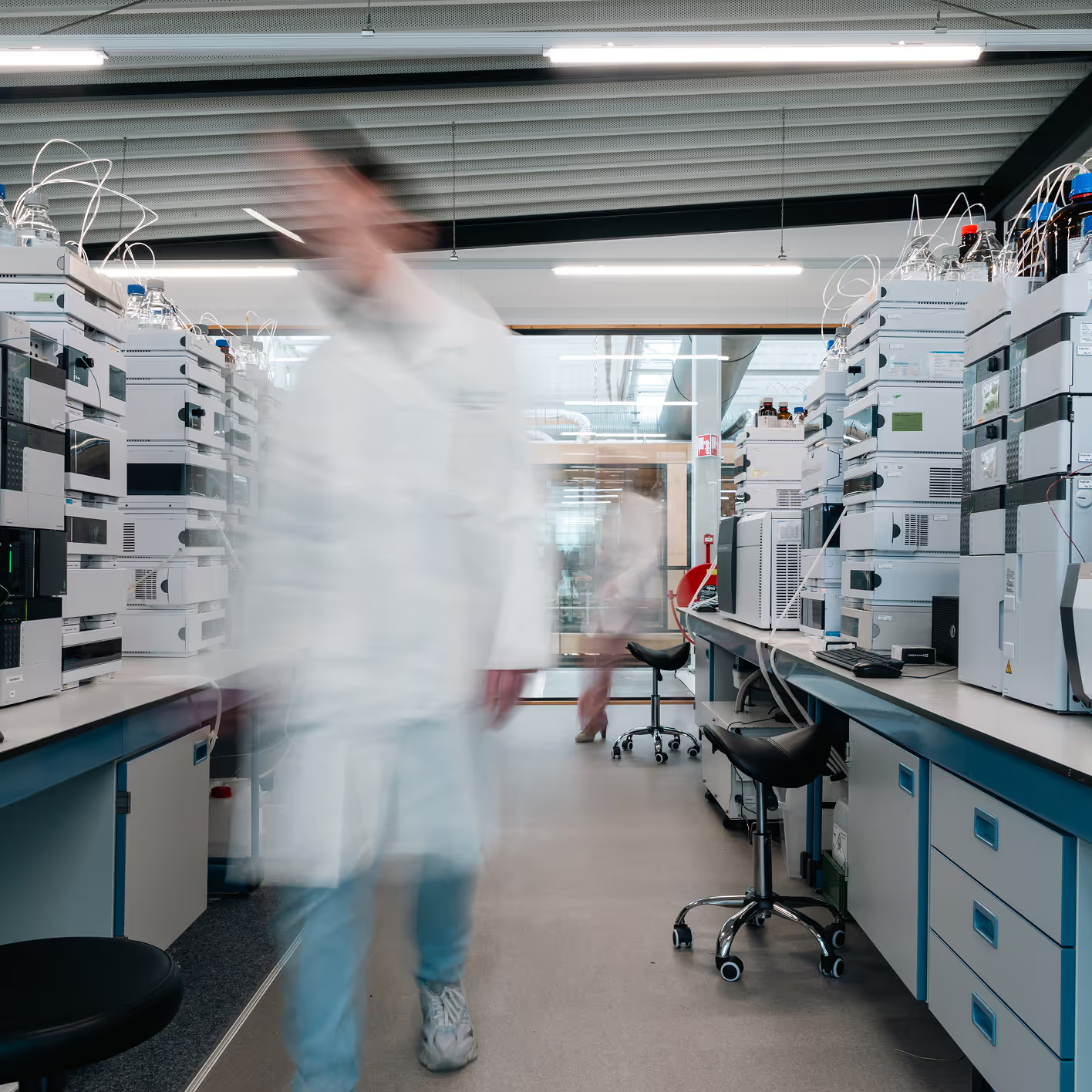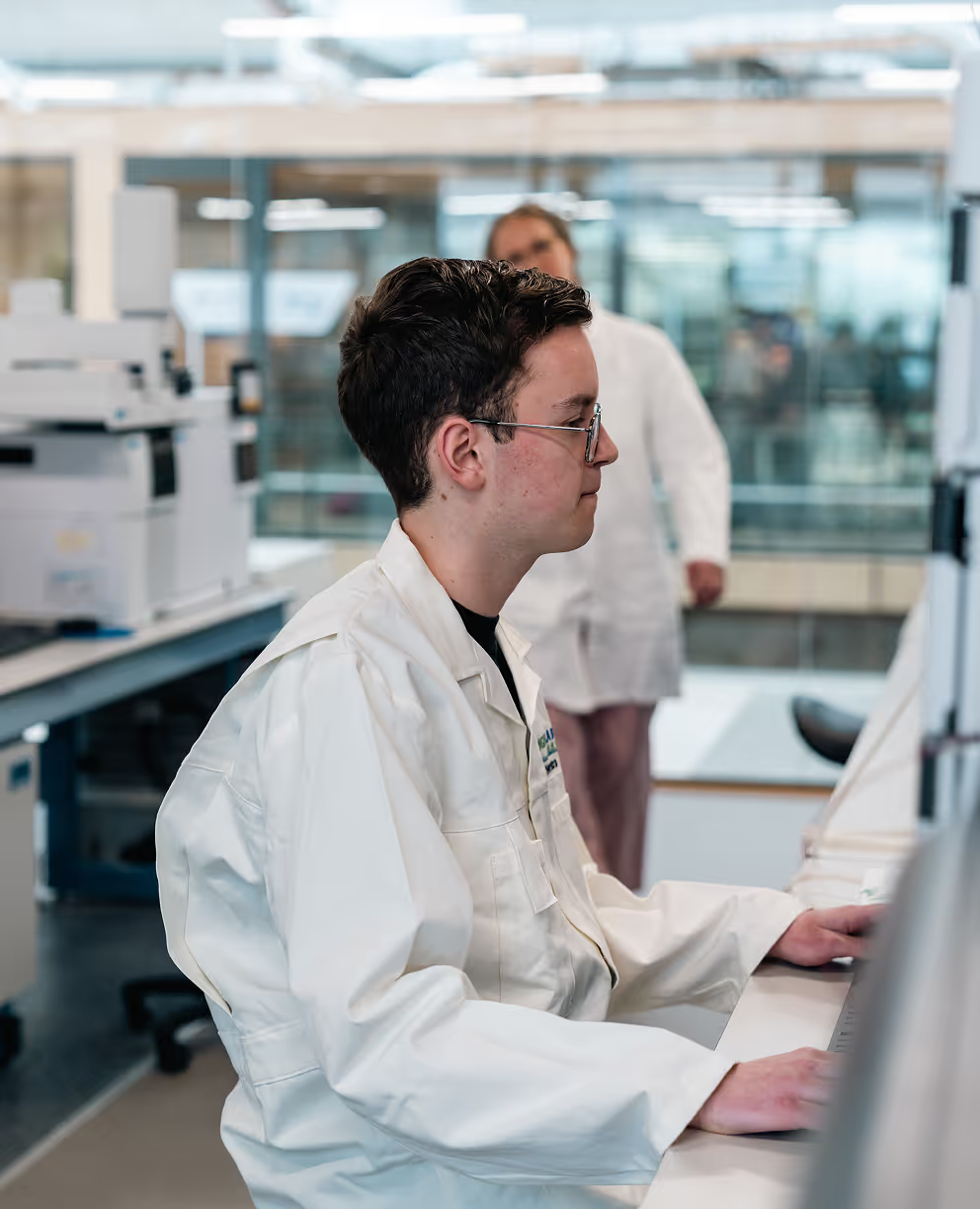
Every impurity has an origin and a risk.
Impurity analysis is not just about detection, but about understanding. Where does the impurity come from, does it pose a risk, and how does the detected concentration compare to the regulatory limit? These questions define our approach to every project.
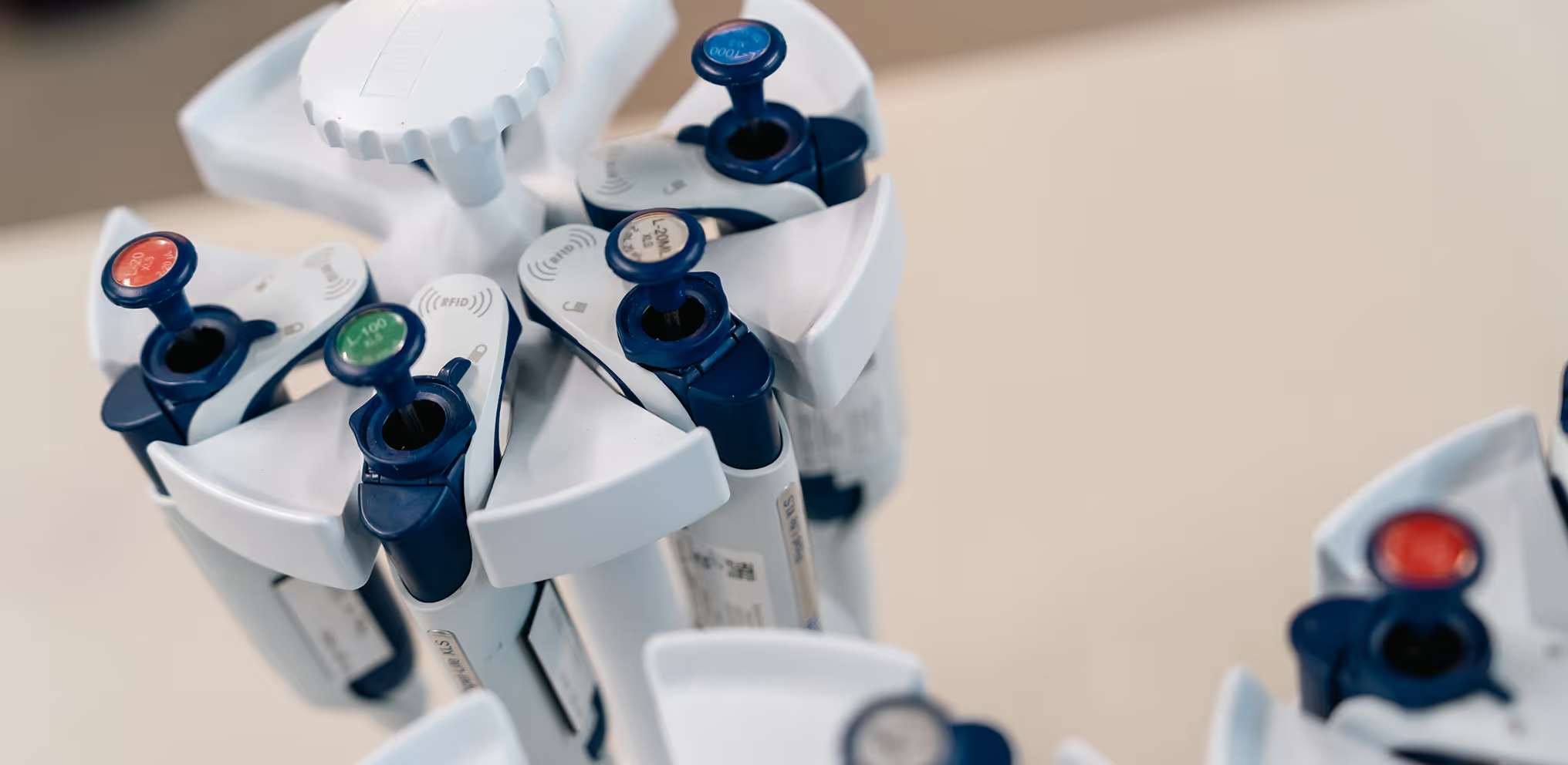
Impurity analysis is therefore relevant within every sector we serve.

Finding impurities is easier than understanding them.
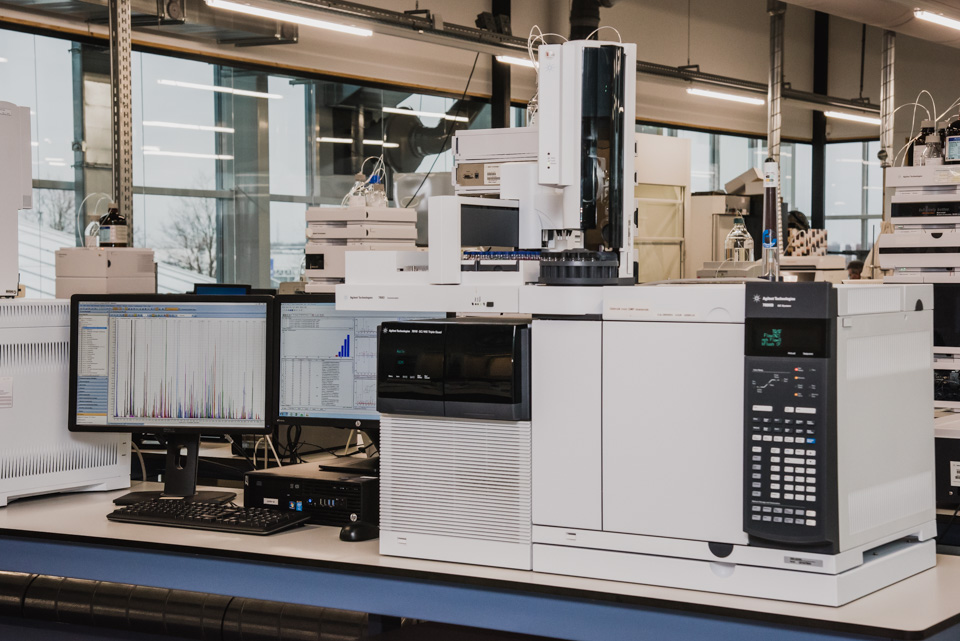
A peak in a chromatogram is only valuable if you know what it means. Impurity analysis requires identification, quantification, and risk assessment.
01
/
Nitrosamine analysis
Nitrosamines are potentially carcinogenic impurities that must be controlled even at very low concentrations. Brightlabs develops and validates sensitive LC-MS/MS and GC-MS/MS methods for various pharmaceutical matrices. Our analyses comply with ICH M7 and Ph. Eur. 2.5.42.
02
/
Elemental impurities
Elemental impurities, such as lead, cadmium, arsenic, and mercury, can affect the safety of pharmaceutical products. Using ICP-MS, we accurately determine these elements in raw materials, active substances, and finished products. The analyses are performed according to ICH Q3D, Ph. Eur. 2.4.20, and USP <232> / <233>
03
/
Residual solvents
After the production process, small amounts of organic solvents may remain in a pharmaceutical product. Brightlabs identifies and quantifies these substances using headspace GC-FID or GC-MS. Our analyses comply with ICH Q3C, Ph. Eur. 2.4.24, and USP <467>

Expertise

Reliability

Flexibility

Partnership

From chromatogram to substantiated risk assessment.
Our approach to impurity analysis combines sensitive detection with thorough identification and risk assessment.
01
/
Sharpening the analytical question
Which impurities are relevant to your product, at what level must they be detected, and against which limit is the assessment made?
02
/
Selecting or developing a method
Based on the expected impurities and the required detection level, we select or develop the most suitable chromatographic method.
03
/
Identifying unknown peaks
For unknown peaks, we use LC-MS or GC-MS to identify the molecular structure and determine the origin of the impurity.
04
/
Quantification with validation
Every impurity is quantified using a validated method, ensuring that the reported levels are reliable and defensible.
05
/
Interpreting and reporting risks
We place the results in context: what do these levels mean for the safety and regulatory status of your product?

Sectoren waar methodeontwikkeling essentieel is.
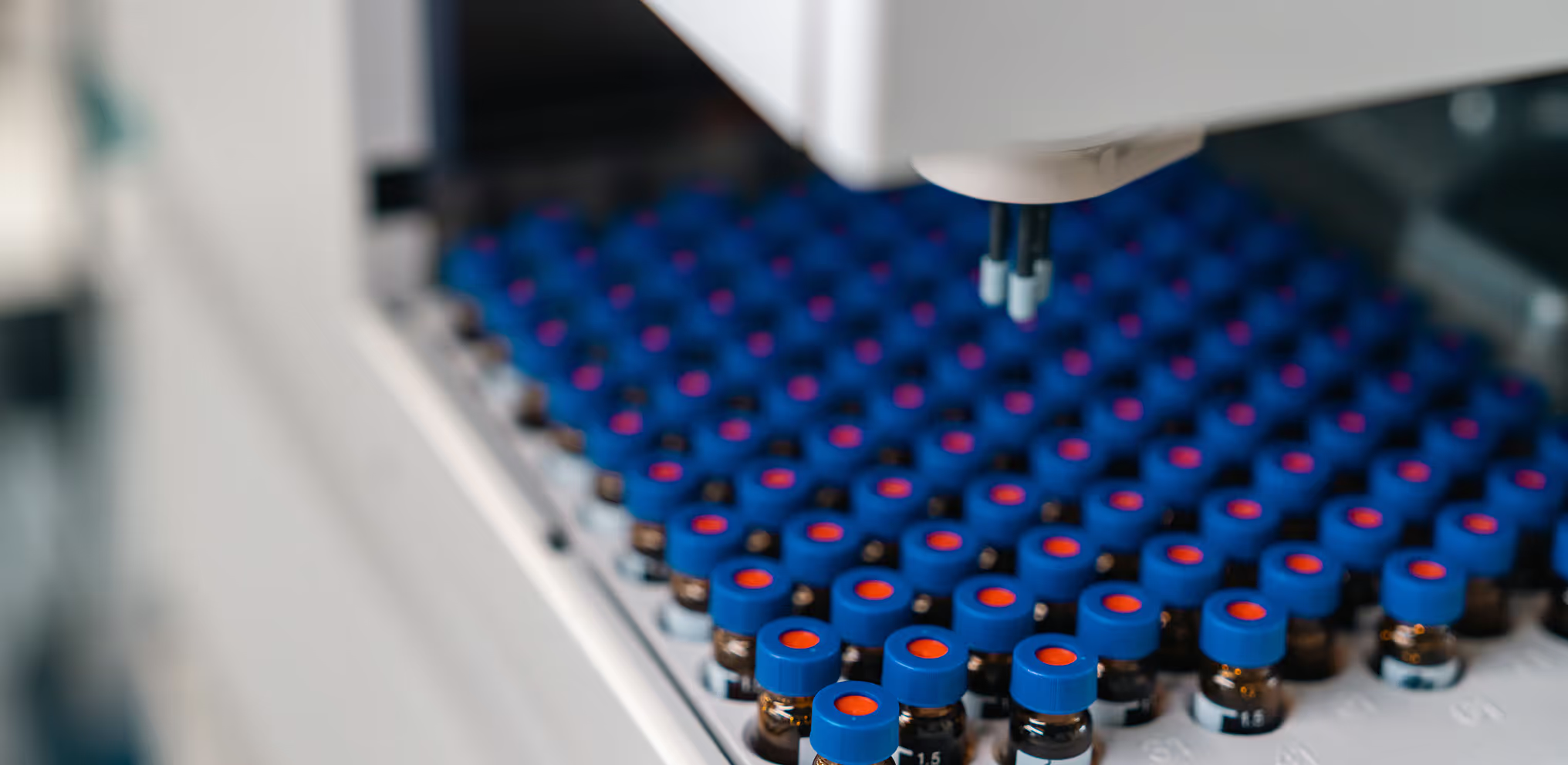

Insights from our laboratory

The complete overview of what Brightlabs does.
Download our brochure for a complete overview of our analytical capabilities, services, and scientific approach.